Collection is only the beginning.
Clothing placed in a collection bin does not automatically become new fabric. Plastic sent for recycling does not necessarily return as a material ready for another use.
Between collection and reuse come sorting, transport, the people doing the work and the composition of the materials themselves. Some waste is left without a suitable next use.
Two investigations look beyond the first act of collection.
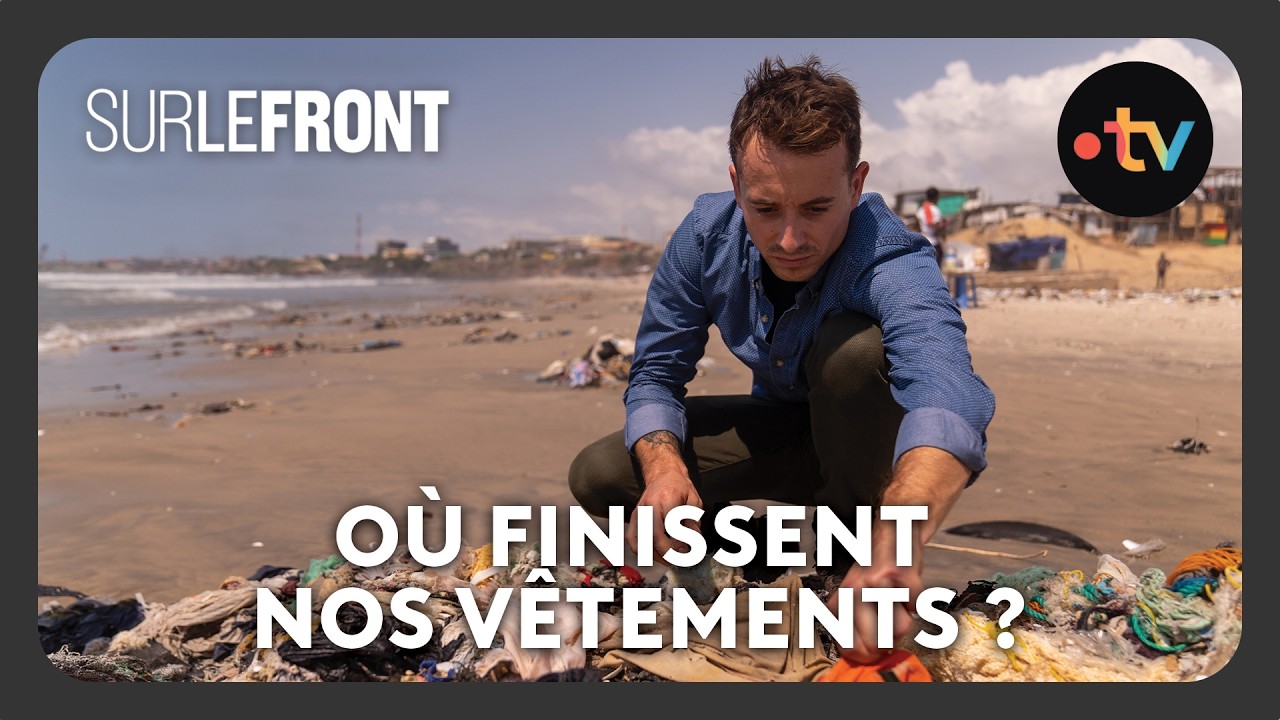
Sur le front · Hugo Clément · France 5 · 2021
Où finissent nos vêtements ?
What happens to the clothes we donate? This investigation traces their journey from European sorting centres to second-hand markets, and on to textiles that can no longer find a use.
Large flows, uncertain destinations.
Attributed estimate · Ghana · 2021 film
≈ 15 millionused garments a week reportedly arriving in Ghana.
France Télévisions relays an estimate attributed to Liz Ricketts of The OR Foundation, including a claim that 40% of these arrivals ended up in open dumps.
A historical estimate repeated in the 2022 programme background, rather than an independently verified current national statistic or a measure of all textile flows to Africa.
Cash Investigation · France 2 · 2018
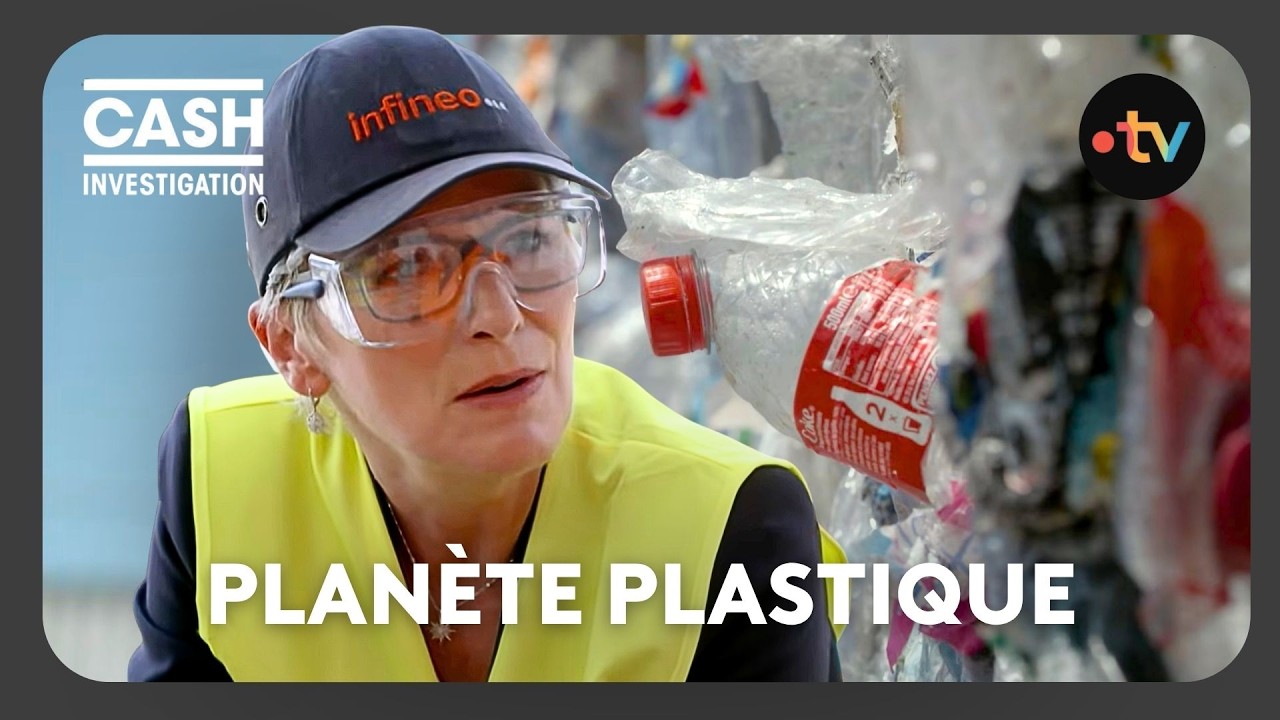
Plastique : la grande intox
An investigation by Sandrine Rigaud
Recycling involves more than a promise on a package. This investigation explores the economics of the recycling sector and the risks associated with certain chemical additives in recovered plastics.
A production line and a working day.
Documentary observations · Tanzania · 2018
≈ 86,340bottles made in two and a half hours on one line, according to the counter shown in the film.
In a separate sequence, the programme follows a woman collecting up to around 20 kg of bottles over eight hours, earning less than €2 according to the investigation.
Behind the volumes, the value and conditions of collection work matter too.
One production line and one individual filmed in 2018: neither production or earnings averages nor a current wage benchmark.
For KARE ONE, these accounts raise research questions: identifying polymers, characterising additives and studying selected materials for a specific use. They do not validate the proposed technology. Mixed beach litter, PET bottles and unscreened electronic-waste plastics are not presented as usable feedstocks for the project.
Independent investigations first broadcast in 2021 and 2018. Their findings reflect the circumstances of that time.